Rising Metal Costs Create New Challenges for Food Manufacturers and Consumers
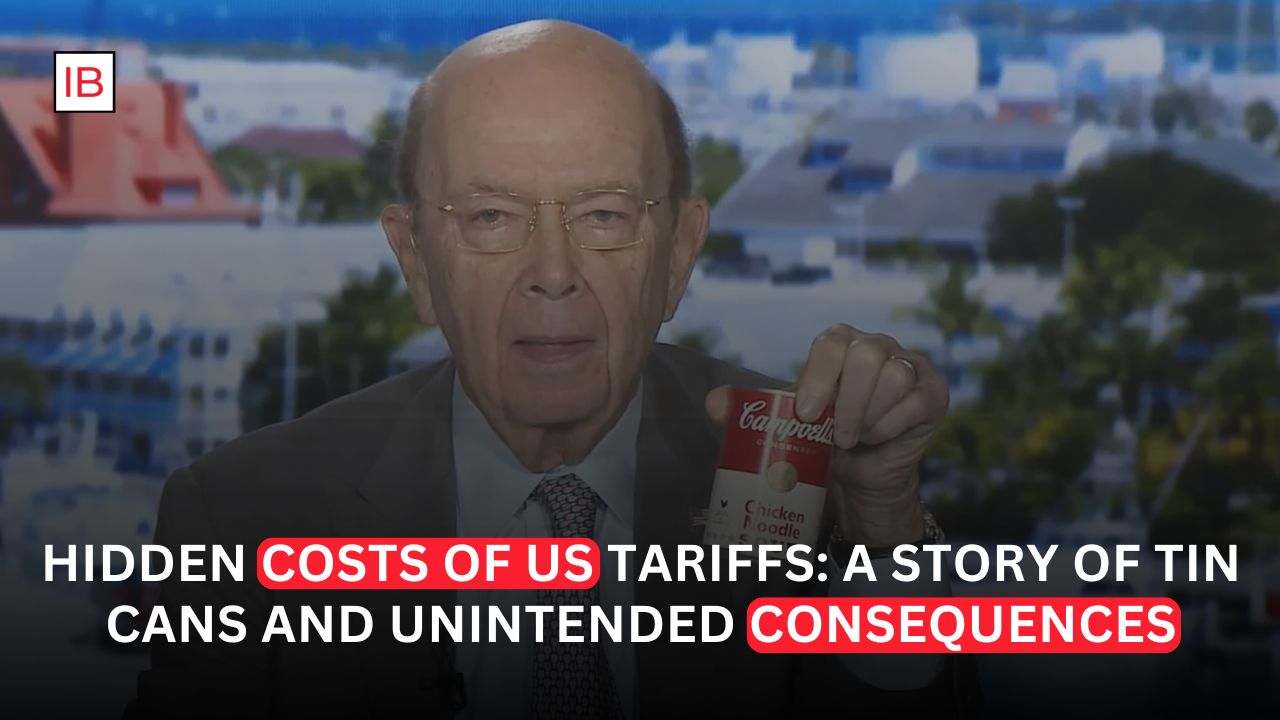
President Donald Trump’s steel tariffs are creating fresh challenges for the U.S. food packaging industry, as higher import duties increase the cost of tin-coated steel used to manufacture food cans. While the administration says the tariffs are designed to strengthen domestic steel production and protect American manufacturing jobs, food companies argue that the policy is driving up production costs and could eventually lead to higher prices for consumers.
The issue has become increasingly significant because canned food remains a staple for millions of households across the United States. Products such as vegetables, fruits, soups, seafood, beans, and pet food rely heavily on steel cans for preservation and transportation. Industry leaders warn that rising packaging costs are adding another layer of pressure to businesses already dealing with inflation, supply chain disruptions, and higher operating expenses.
Packaging Industry Feels the Impact
The food can industry depends on tin mill steel, a specialized type of steel coated with a thin layer of tin that protects food from corrosion while extending shelf life.
Although the United States still produces some tin mill steel, domestic manufacturing capacity has declined considerably over the past decade. As a result, many food packaging companies rely on imported steel to meet production needs. The new tariffs have significantly increased the cost of these imports, making it more expensive for manufacturers to secure essential raw materials.
Industry executives say the problem extends beyond imported steel. Domestic steel producers have also raised prices as demand has shifted toward local suppliers, leaving manufacturers with few affordable alternatives.
Costs Continue to Rise
Food packaging companies report that higher steel prices are affecting nearly every stage of production.
Businesses now face:
- Increased raw material expenses.
- Higher manufacturing costs.
- Reduced profit margins.
- More expensive supply contracts.
- Longer delivery times for steel products.
These additional costs are placing considerable pressure on companies that operate with relatively small profit margins. Many businesses have attempted to absorb the higher expenses, but executives acknowledge that doing so indefinitely may not be financially sustainable.
Consumers Could See Higher Grocery Bills
Although manufacturers initially absorb part of the increased costs, economists say prolonged increases in steel prices are likely to affect consumers over time.
As production expenses continue rising, companies may eventually increase prices for canned products, including:
- Vegetables.
- Fruits.
- Soups.
- Beans.
- Seafood.
- Ready-to-eat meals.
For many households, canned foods remain among the most affordable grocery options. Any increase in prices could place additional pressure on consumers who are already managing higher living costs.
Trump Administration Defends Policy
The Trump administration continues to defend its tariff strategy, arguing that stronger protection for American steel producers is necessary to rebuild domestic manufacturing and reduce dependence on foreign imports.
Officials believe the tariffs will:
- Encourage investment in U.S. steel mills.
- Protect American manufacturing jobs.
- Improve long-term industrial competitiveness.
- Strengthen national economic security.
Supporters argue that short-term price increases are justified if they help revive domestic production and create a stronger manufacturing base over the long run.
Industry Calls for Targeted Relief
Food packaging manufacturers are urging policymakers to recognize the unique position of the tin can industry.
Rather than requesting the complete removal of steel tariffs, many companies are asking for targeted exemptions covering specialized tin mill steel that cannot currently be produced in sufficient quantities within the United States.
Industry representatives argue that domestic production alone cannot satisfy current demand, making imported material essential for maintaining stable food supplies and preventing unnecessary price increases.
They also emphasize that food packaging plays a critical role in national food security and should receive special consideration during trade policy decisions.
Broader Economic Effects
The dispute highlights how trade policies can affect industries beyond the original target.
While American steel producers may benefit from higher prices and reduced foreign competition, businesses that rely on steel as a manufacturing input often experience increased operating costs. Those higher expenses can spread across multiple sectors, including food processing, consumer goods, and retail distribution.
Many analysts note that tariffs intended to protect one industry can create unintended financial pressures for others, particularly when domestic production capacity remains limited.
Supply Chain Challenges Persist
The steel tariff issue arrives as manufacturers continue facing several ongoing challenges.
Companies are already managing:
- Rising transportation costs.
- Higher energy prices.
- Labor shortages.
- Global supply chain disruptions.
- Inflationary pressures.
The additional increase in steel prices has made long-term planning more difficult for food manufacturers that depend on predictable production costs to maintain stable pricing.
Looking Ahead
The debate surrounding Trump’s steel tariffs illustrates the complex balance between protecting domestic industry and controlling costs for manufacturers and consumers. While the administration believes the policy will strengthen America’s steel sector over time, food packaging companies argue that limited domestic production means they still depend heavily on imported tin mill steel.
Until U.S. production expands sufficiently to meet industry demand or policymakers introduce targeted exemptions, manufacturers are expected to continue facing elevated costs. Those higher expenses may gradually work their way through the food supply chain, potentially resulting in higher prices for canned food products across American supermarkets. The outcome will likely influence not only the future of the packaging industry but also broader discussions about how trade policies affect everyday consumer goods.