Former Prime Minister Seeks to Restore Unity as Hungary’s Conservative Opposition Faces Its Biggest Challenge in Decades
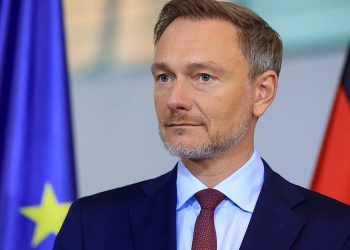
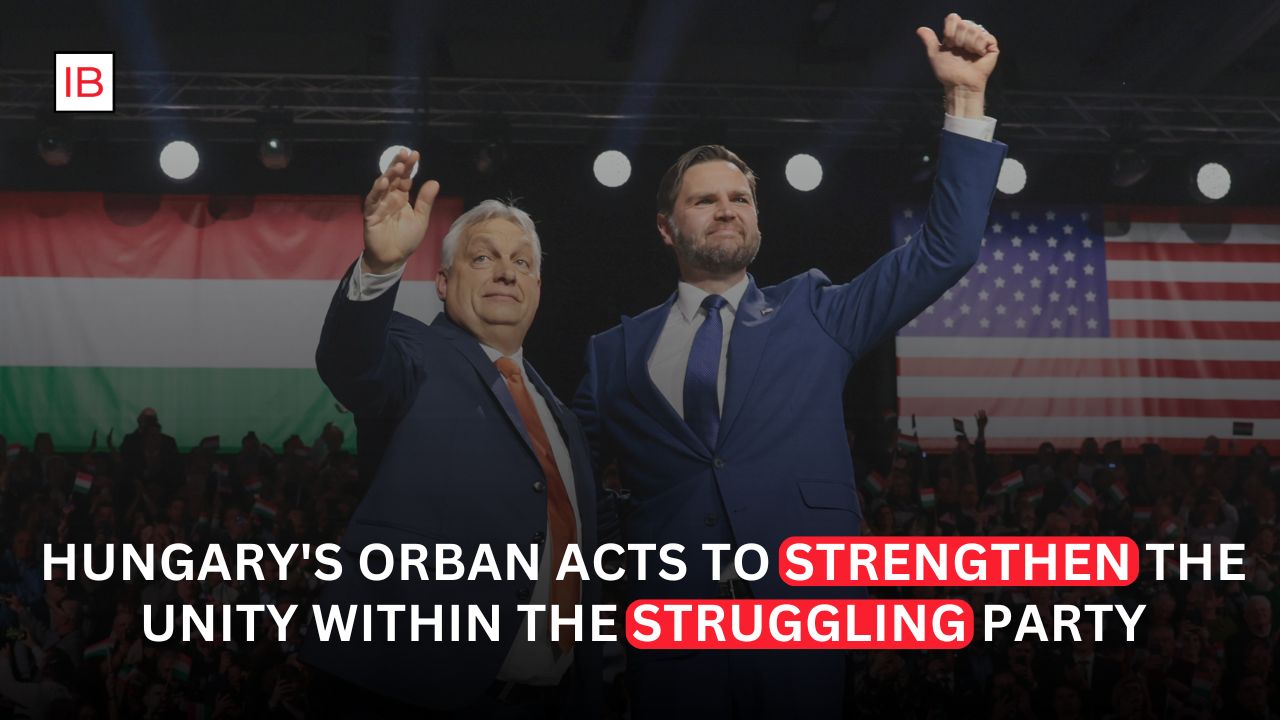
Former Hungarian Prime Minister Viktor Orbán is working to rebuild unity within his Fidesz party following its historic defeat in Hungary’s 2026 parliamentary election. After losing power to Prime Minister Péter Magyar and the Tisza Party, Orbán has launched an internal effort to stabilize the conservative movement, retain party support, and prepare Fidesz for its new role as the country’s main opposition force.
The political transition marked the end of Orbán’s 16-year rule, during which Fidesz dominated Hungarian politics. Now facing declining public support, leadership departures, and investigations linked to the previous administration, Orbán is attempting to strengthen party discipline while convincing supporters that Fidesz remains capable of returning to government in future elections.
Fidesz Faces Its Biggest Crisis
The April 2026 election transformed Hungary’s political landscape.
Prime Minister Péter Magyar secured a parliamentary supermajority, allowing his government to introduce sweeping constitutional and institutional reforms aimed at dismantling many structures established during Orbán’s administration. Since taking office, the new government has moved quickly to replace senior officials, reform state institutions, and investigate allegations of corruption tied to the previous government.
These developments have placed Fidesz under significant political pressure, with opinion polls showing the party trailing well behind the governing Tisza Party.
Orbán Calls for Unity
In response, Orbán has urged party members to remain united despite recent setbacks.
According to party officials, his strategy focuses on:
- Maintaining internal discipline.
- Preventing further defections.
- Rebuilding local party organizations.
- Strengthening communication with supporters.
- Preparing for future elections.
Orbán has emphasized that political setbacks are temporary and argues that Fidesz must remain organized if it hopes to regain public confidence.
Opposition Strategy Takes Shape
Rather than withdrawing from public life, Orbán has chosen to remain leader of Fidesz while helping reshape the party’s role in opposition.
He has criticized the Magyar government for what he describes as politically motivated actions against former Fidesz officials and institutions. Following recent investigations and raids involving party offices, Orbán accused the government of undermining democratic norms and called on supporters to resist what he termed “tyranny” through peaceful political action.
Government officials reject those accusations, arguing that ongoing investigations are part of broader anti-corruption efforts promised during the election campaign.
Internal Challenges
Fidesz’s recovery is complicated by several internal problems.
The party has experienced:
- Declining public approval.
- Leadership resignations.
- Parliamentary restructuring.
- Investigations into former officials.
- Pressure to redefine its political message.
Some longtime supporters believe the party must modernize its platform and reconnect with younger voters, while others argue that maintaining Orbán’s traditional conservative agenda remains the best path forward.
Magyar Government Continues Reforms
Meanwhile, Prime Minister Péter Magyar continues implementing an ambitious reform program.
His government has introduced measures that include:
- Constitutional reforms.
- Judicial restructuring.
- Anti-corruption initiatives.
- Institutional reforms.
- Efforts to strengthen Hungary’s relationship with the European Union.
The administration argues these changes are necessary to restore democratic institutions after years of centralized political control under Fidesz.
Political Landscape Changes
Hungary’s political environment has shifted dramatically since the election.
For the first time in more than a decade, Fidesz must operate as an opposition party rather than governing the country. Analysts believe rebuilding public trust will require more than criticism of the current government. The party may also need to present new policy ideas on economic growth, inflation, healthcare, education, and energy security to regain broader voter support.
Whether Orbán can successfully lead that transformation remains one of the biggest questions in Hungarian politics.
Looking Ahead
Viktor Orbán’s efforts to strengthen unity within Fidesz reflect the difficult reality facing a party that dominated Hungarian politics for 16 years but now finds itself rebuilding after a decisive electoral defeat. While Orbán remains an influential figure among conservative supporters, restoring the party’s competitiveness will require overcoming internal divisions, addressing public concerns, and adapting to a rapidly changing political environment.
As Hungary enters a new political era under Prime Minister Péter Magyar, Fidesz’s ability to reorganize and present itself as a credible alternative will shape the country’s opposition politics for years to come. Whether Orbán’s leadership can unite the party and prepare it for a future return to power will depend not only on internal cohesion but also on how effectively it responds to the reforms and challenges introduced by Hungary’s new government.