Unclear Policy Signals Shake Bond Markets and Raise Questions About the Federal Reserve’s Inflation Fight
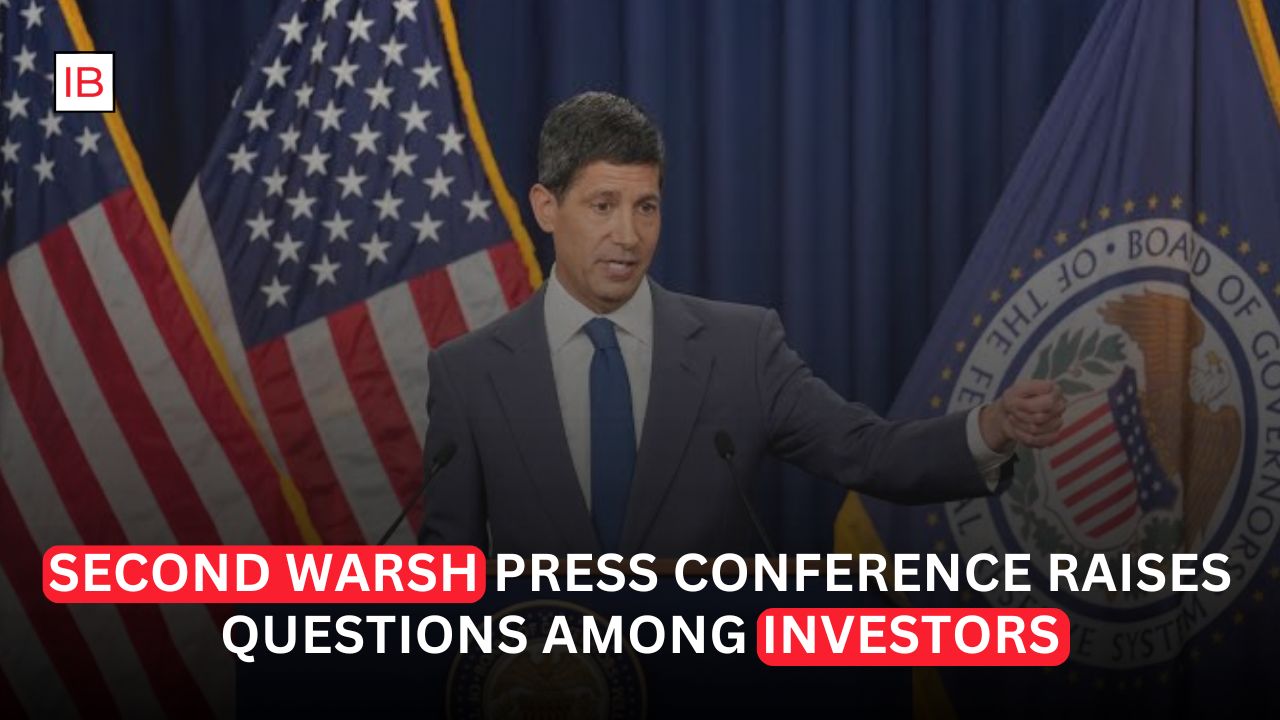
Federal Reserve Chair Kevin Warsh is facing growing scrutiny after a series of policy decisions and public comments left investors uncertain about the central bank’s commitment to controlling inflation. Financial markets reacted sharply after the Federal Reserve kept interest rates unchanged while offering limited guidance on future policy, triggering a surge in long-term Treasury yields and renewed concerns that inflation may remain elevated for longer than expected. The episode has become one of the biggest tests of Warsh’s leadership since taking over the U.S. central bank earlier this year.
Although Warsh reiterated that the Federal Reserve remains committed to achieving its long-standing 2% inflation target, investors were unsettled by the absence of a clear roadmap for future interest rate decisions. Instead of providing traditional forward guidance, Warsh emphasized that financial markets themselves should increasingly interpret incoming economic data and adjust expectations accordingly—a shift that many analysts believe has increased uncertainty rather than reducing it.
Bond Markets React Strongly
The strongest response came from the U.S. Treasury market.
Following the Fed meeting:
- The 30-year Treasury yield climbed above 5.2%, reaching its highest level in nearly two decades.
- The 10-year Treasury yield also moved sharply higher.
- Investors sold long-term government bonds amid concerns that inflation risks remain unresolved.
Higher bond yields increase borrowing costs across the economy, affecting mortgages, corporate loans, and government financing. Many market participants interpreted the move as a sign that investors are demanding higher compensation for future inflation risk.
Inflation Still Above Target
Despite some moderation in recent months, inflation remains well above the Federal Reserve’s official objective.
Recent data showed:
- Core inflation easing modestly.
- Overall inflation remaining significantly above 2%.
- Additional upside risks from energy prices and geopolitical tensions.
Warsh acknowledged these challenges but stopped short of indicating whether additional interest rate increases are likely in the near future.
Markets Seek Clearer Guidance
One of the main criticisms from investors has been the Federal Reserve’s new communication strategy.
Unlike previous Fed leadership, Warsh has largely abandoned explicit forward guidance regarding future rate decisions.
Instead, he has argued that:
- Markets should independently assess incoming economic data.
- Policy decisions will remain flexible.
- Economic uncertainty requires avoiding fixed commitments.
While supporters believe this approach encourages healthier market price discovery, critics argue that it has increased volatility and left investors struggling to understand the Fed’s policy direction.
Internal Pressure Growing
Warsh also faces growing debate within the Federal Reserve itself.
Several policymakers have expressed concern that delaying further action against inflation could eventually require larger interest rate increases later if price pressures persist.
At the Fed’s most recent meeting:
- Multiple policymakers reportedly dissented from holding rates steady.
- Expectations for additional policy tightening remain divided.
- September’s meeting is increasingly viewed as a critical decision point.
Balancing Politics and Independence
Warsh’s leadership also comes under close political scrutiny.
He must balance:
- Maintaining Federal Reserve independence.
- Responding to economic data.
- Managing inflation expectations.
- Supporting sustainable economic growth.
Analysts note that preserving credibility remains essential, as investors closely watch whether the central bank will take stronger action if inflation fails to decline further.
Looking Ahead
Kevin Warsh’s approach to monetary policy has introduced a new chapter for the Federal Reserve, emphasizing flexibility and reduced reliance on forward guidance. While the strategy aims to allow markets to respond more naturally to economic developments, recent reactions suggest many investors remain unconvinced that the Fed has clearly communicated how it intends to return inflation to its 2% target. The sharp rise in Treasury yields highlights growing concerns that financial markets may be losing confidence in the pace of the inflation fight.
Attention now turns to upcoming inflation reports, employment data, and the Federal Reserve’s next policy meeting. If inflation remains stubbornly high, Warsh may face increasing pressure to deliver a more decisive response and provide clearer communication to restore confidence among investors and financial markets. How effectively the Fed balances inflation control with economic stability will likely shape both market sentiment and the broader U.S. economy in the months ahead.