Introduction
As the European election approaches, uncertainty looms large among voters across the continent. With various political, economic, and social issues at play, many Europeans are finding it challenging to make informed decisions about their vote. This article explores the reasons behind this uncertainty, the key issues at stake, and the potential implications for the future of the European Union (EU).
The Context of the European Election
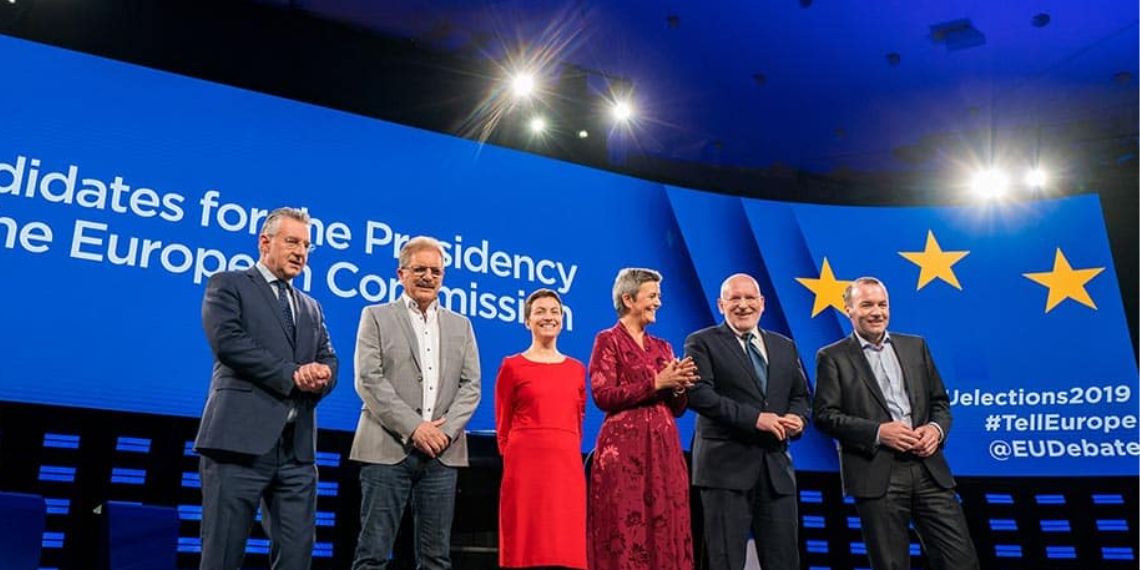
The European election, held every five years, determines the composition of the European Parliament. This institution plays a crucial role in shaping EU legislation, representing the interests of citizens, and overseeing the activities of other EU bodies. The upcoming election is particularly significant given the current geopolitical climate, economic uncertainties, and internal challenges facing the EU.
Key Issues Influencing Voter Uncertainty
Several factors contribute to the widespread uncertainty among voters ahead of the European election:
Economic Concerns: Economic instability, rising inflation, and concerns about job security are major issues influencing voter sentiment. The economic impact of the COVID-19 pandemic and the ongoing recovery efforts have left many unsure about the future.
Immigration and Border Control: Immigration remains a contentious issue, with debates over border control, asylum policies, and the integration of migrants shaping political discourse.
Climate Change and Environmental Policy: Environmental concerns are increasingly important to voters, with climate change policies and sustainable development being key topics of discussion.
Nationalism and Populism: The rise of nationalist and populist movements across Europe has introduced a new dynamic to the political landscape, challenging traditional parties and EU policies.
The Political Landscape
The European election features a diverse array of political parties and movements, each with its own vision for the future of the EU. This diversity can be both an asset and a source of confusion for voters, making it difficult to navigate the political landscape.
Major Political Groups
European People’s Party (EPP): The EPP is a center-right political group advocating for economic growth, stability, and strong EU integration.
Progressive Alliance of Socialists and Democrats (S&D): This center-left group focuses on social justice, workers’ rights, and sustainable development.
Renew Europe (RE): RE promotes liberal policies, economic reform, and a stronger EU.
Greens/European Free Alliance (Greens/EFA): This group prioritizes environmental issues, climate action, and social equality.
Identity and Democracy (ID): A right-wing populist group, ID advocates for national sovereignty, stricter immigration policies, and reduced EU influence.
Voter Engagement and Participation
Voter engagement is crucial for the legitimacy of the European election. However, low turnout and voter apathy remain persistent challenges. Efforts to increase voter participation include educational campaigns, social media outreach, and initiatives to make voting more accessible.
Barriers to Voter Participation
Lack of Awareness: Many citizens are unaware of the European Parliament’s role and the impact of their vote.
Disillusionment with Politics: Some voters feel disconnected from the political process and skeptical about the ability of elected officials to address their concerns.
The complexity of Issues: The complexity of EU policies and the broad range of issues at stake can be overwhelming for voters, leading to indecision.
The Role of Media and Information
The media plays a pivotal role in shaping public opinion and informing voters. However, the proliferation of misinformation and biased reporting can exacerbate uncertainty and confusion. Ensuring access to accurate and impartial information is essential for a fair and informed election process.
Combating Misinformation
Fact-Checking Initiatives: Independent fact-checking organizations work to verify claims and debunk false information.
Media Literacy Education: Educating citizens on how to critically evaluate news sources and identify misinformation is vital for informed voting.
Transparency in Reporting: Media outlets must strive for transparency in their reporting, clearly distinguishing between news and opinion pieces.
Implications for the Future of the EU
The outcome of the European election will have far-reaching implications for the future of the EU. Key areas of impact include:
What is the European election?
The European election is held every five years to elect members of the European Parliament, who represent the interests of EU citizens and shape EU legislation.
Why are voters unsure ahead of the European election?
Voters are unsure due to economic instability, contentious issues like immigration and climate change, and the rise of nationalist and populist movements.
How can voter participation be increased?
Voter participation can be increased through educational campaigns, social media outreach, and making voting more accessible.
What are the implications of the European election for the future of the EU?
The election results will influence EU policy direction, unity, and global influence, shaping the future of the Union.