Arms Sales, Cyber Operations, and Closer Ties With Russia and China Generate Record Foreign Revenue
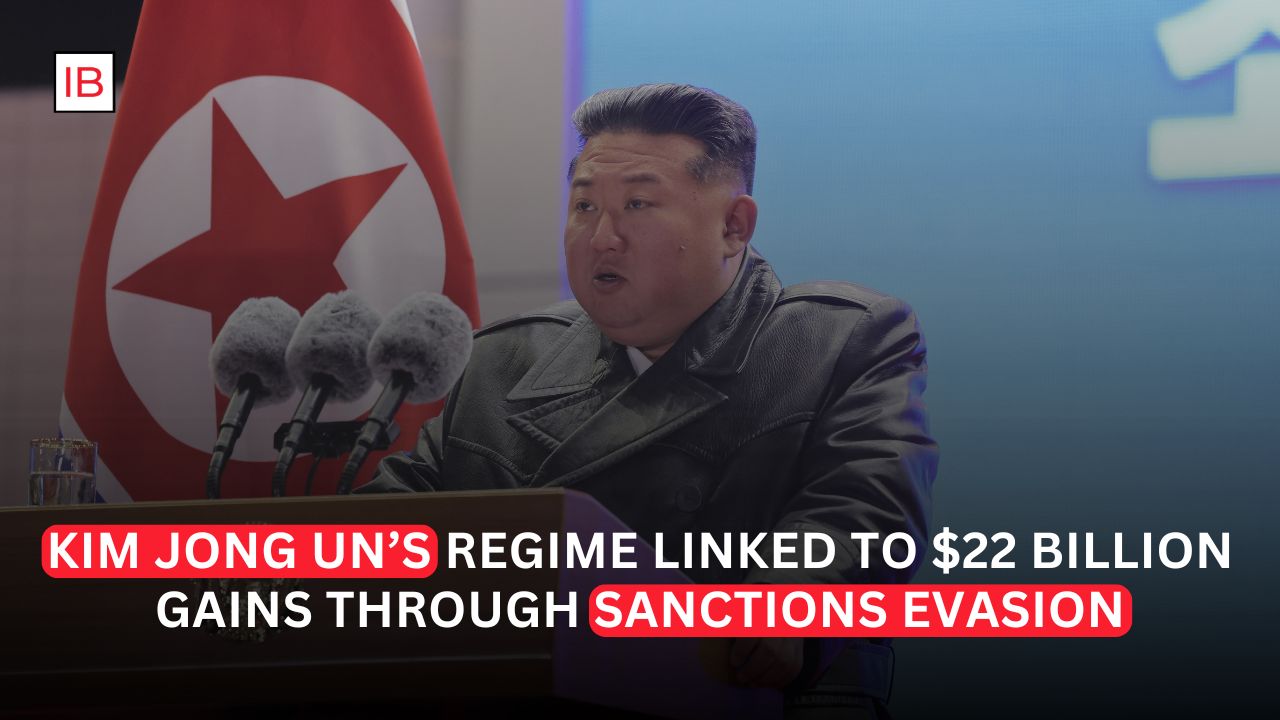
North Korean leader Kim Jong Un is overseeing the strongest financial position of his rule after the isolated nation generated an estimated US$22 billion in foreign revenue between 2022 and 2025, according to a Bloomberg Economics analysis based on trade data, intelligence assessments, and independent research. The unprecedented inflow of hard currency has transformed the country’s finances despite years of international sanctions designed to restrict funding for its nuclear and missile programs. The estimated earnings are nearly four times larger than those accumulated during the previous four-year period, marking one of the most significant economic shifts in North Korea in decades.
The financial boom has been fueled by three major sources of income: expanding military cooperation with Russia, rapidly growing cybercrime operations targeting international financial institutions and cryptocurrency platforms, and stronger economic engagement with China. Together, these revenue streams have allowed Pyongyang to reduce its historic dependence on foreign humanitarian assistance while investing heavily in military modernization, urban development, and domestic infrastructure. Analysts say the influx of funds has strengthened Kim’s political position and increased North Korea’s ability to withstand international economic pressure.
Military Support for Russia Generates Billions
One of North Korea’s largest new revenue sources has been its growing military partnership with Russia.
South Korean security analysts estimate that:
- Military support generated between US$7.7 billion and US$14.4 billion.
- Revenue came from both weapons exports and troop deployments.
- Artillery ammunition accounted for the majority of earnings.
In return, North Korea is believed to have received not only cash but also advanced military technology, energy supplies, and technical assistance.
Cyber Operations Continue Expanding
Alongside military exports, cybercrime has become another major source of foreign currency.
U.S. intelligence estimates that North Korea earns at least US$1 billion annually through sophisticated cyber operations, including cryptocurrency theft, financial hacking, and digital asset attacks.
These activities have become increasingly important in funding government priorities while helping the regime bypass international sanctions.
China Remains an Important Economic Partner
China continues serving as North Korea’s largest trading partner.
Recent improvements in bilateral economic relations have supported:
- Increased trade.
- Higher mineral exports.
- Greater cross-border commerce.
- Expanded access to imported goods.
Global demand for minerals, particularly tungsten, has provided an additional export windfall during 2026, further boosting foreign exchange earnings.
Sanctions Lose Effectiveness
International sanctions introduced after North Korea’s nuclear weapons program were intended to reduce access to hard currency.
However, analysts increasingly argue that:
- Arms sales to Russia.
- Cybercrime.
- Expanded trade with China.
have significantly weakened the economic impact of those restrictions.
As a result, Pyongyang now appears financially stronger than at any point since the sanctions regime was introduced.
Domestic Investment Accelerates
The additional revenue has helped finance visible domestic changes.
Observers report:
- Large-scale construction projects in Pyongyang.
- Improved infrastructure.
- Growing numbers of privately owned vehicles.
- Continued investment in military facilities.
These developments suggest the regime is directing at least part of its increased financial resources toward domestic modernization while maintaining heavy defense spending.
Military Modernization Continues
The financial windfall has coincided with rapid improvements in North Korea’s military capabilities.
Recent developments include:
- More advanced missile systems.
- New naval vessels.
- Expanded weapons production.
- Increased military research.
Analysts believe access to additional funding and Russian technical cooperation has accelerated several modernization programs.
Greater Strategic Independence
Unlike previous generations of North Korean leadership, Kim Jong Un has relied less on international aid.
Instead, the government increasingly finances itself through:
- Export earnings.
- Overseas labor.
- Cyber operations.
- Military cooperation.
This shift provides greater flexibility in pursuing both domestic and foreign policy objectives.
Looking Ahead
North Korea’s estimated US$22 billion foreign revenue windfall represents one of the most significant economic developments in the country’s modern history. Income generated through military cooperation with Russia, expanding cyber operations, and stronger trade ties with China has dramatically improved the regime’s financial position while reducing the effectiveness of international sanctions. The additional resources have strengthened Kim Jong Un’s ability to invest in military modernization, infrastructure development, and long-term strategic priorities without relying heavily on foreign aid.
Looking ahead, the sustainability of this financial strength will depend on the continuation of external partnerships and global geopolitical dynamics. If military cooperation with Russia, expanding trade with China, and illicit revenue streams remain intact, North Korea may continue reinforcing its economy and defense capabilities despite ongoing international pressure. At the same time, policymakers around the world are likely to reassess sanctions enforcement and regional security strategies as Pyongyang’s financial resilience continues to grow.