Senior Iranian Official Says Diplomacy Offers Best Path to Stability Despite Domestic Political Resistance
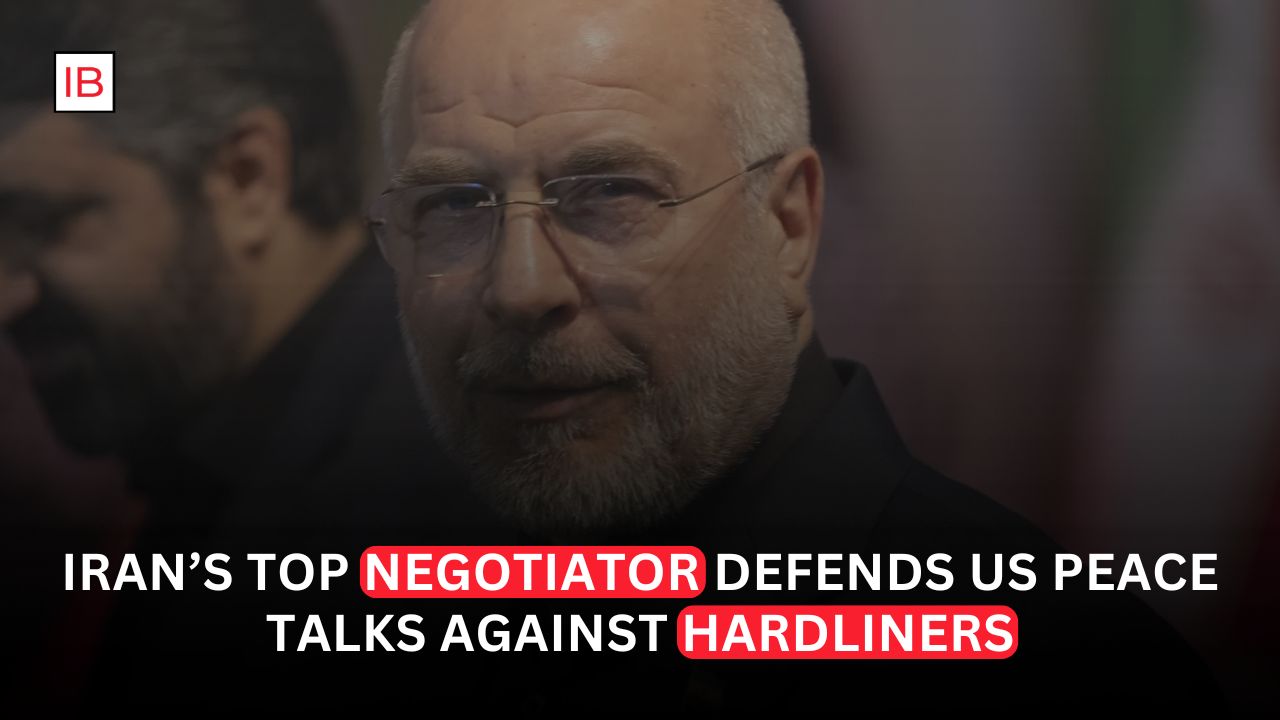
Iran’s chief negotiator has publicly defended ongoing peace negotiations with the United States, arguing that diplomacy remains the most effective path toward reducing tensions after months of military confrontation. His comments come as conservative and hardline political factions inside Iran continue to criticize negotiations, questioning whether engagement with Washington can produce meaningful results.
The remarks highlight growing divisions within Iran’s political establishment as the government balances domestic pressure with the need to address regional security concerns, economic challenges, and the risk of further military escalation. While supporters of diplomacy argue that negotiations are essential for restoring stability, critics contend that the United States cannot be trusted to honor future agreements.
Diplomatic Efforts Face Domestic Resistance
The negotiator emphasized that dialogue is intended to protect Iran’s national interests and prevent additional conflict rather than signal weakness.
He argued that negotiations seek to:
- Reduce the risk of further military confrontation.
- Improve regional stability.
- Protect Iranian national interests.
- Create conditions for long-term peace.
- Open channels for continued diplomatic engagement.
His defense of the talks comes amid growing criticism from hardline political figures who remain skeptical of negotiations with Washington.
Hardliners Question US Intentions
Conservative voices within Iran have argued that previous diplomatic agreements failed to deliver lasting benefits and caution against making concessions without firm guarantees.
Their concerns include:
- Trust in future US commitments.
- National sovereignty.
- Security guarantees.
- Economic pressure from sanctions.
- Regional strategic interests.
These disagreements reflect broader debates within Iran over the country’s future foreign policy direction.
Regional Tensions Continue
The peace discussions follow months of heightened tensions that have affected security across the Middle East.
Recent developments have included:
- Military exchanges involving Iran and the United States.
- Disruptions to regional shipping routes.
- Increased security concerns among neighboring countries.
- International diplomatic efforts aimed at preventing wider conflict.
Many governments have encouraged both sides to continue negotiations in hopes of avoiding further escalation.
Diplomacy Remains a Key Priority
Despite domestic criticism, Iranian officials involved in the negotiations say diplomatic engagement remains essential.
Supporters believe successful talks could help:
- Lower regional tensions.
- Reduce the likelihood of future military clashes.
- Improve economic stability.
- Rebuild international confidence.
- Encourage broader regional dialogue.
Officials stress that negotiations do not necessarily indicate agreement on all issues but provide an opportunity to manage disputes through peaceful channels.
International Community Closely Watching
Governments across the Middle East, Europe, and Asia are closely monitoring the talks because any breakthrough—or breakdown—could have significant global consequences.
Key areas of interest include:
- Regional security.
- Global energy markets.
- Maritime trade.
- Nuclear diplomacy.
- International economic stability.
Financial markets have also remained sensitive to developments, particularly those affecting oil supplies and shipping through strategic waterways.
Looking Ahead
Iran’s chief negotiator’s defense of continued peace talks with the United States underscores the difficult balance between diplomacy and domestic political pressures. While hardline critics remain deeply skeptical of engagement with Washington, supporters argue that dialogue offers the best opportunity to reduce tensions and prevent another cycle of conflict.
The success of the negotiations will depend on whether both sides can overcome longstanding disagreements and build sufficient confidence to pursue lasting diplomatic solutions. With regional stability and global economic interests closely tied to the outcome, the coming weeks are expected to play an important role in shaping the future direction of US-Iran relations.