Renewed Shipping Attacks Escalate Regional Tensions
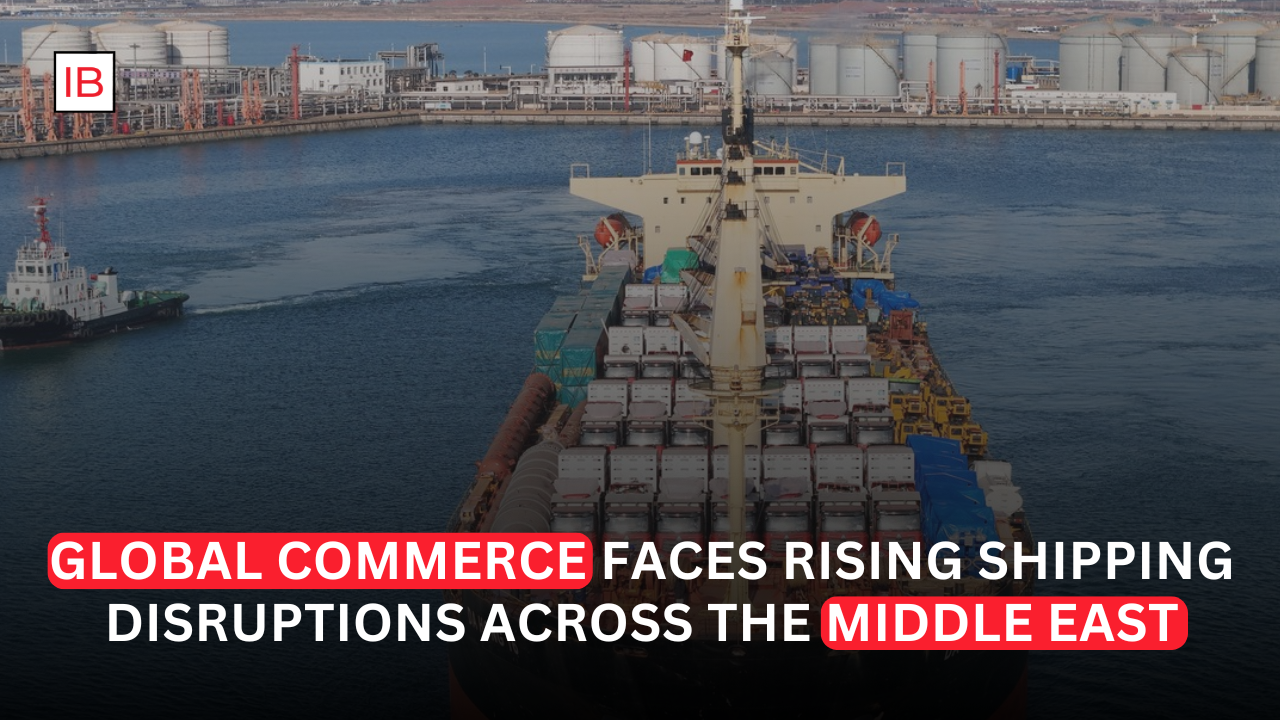
Fresh attacks by Yemen’s Houthi movement on commercial shipping in the Red Sea have heightened concerns over global trade, energy supplies, and maritime security. The latest incidents targeted Saudi oil tankers, raising fears that the conflict could spread further and disrupt one of the world’s most important shipping routes.
The escalation comes as geopolitical tensions in the Middle East remain elevated, with shipping companies and governments closely monitoring developments around the Bab el-Mandeb Strait, a critical gateway connecting the Red Sea to the Gulf of Aden and the Indian Ocean.
Red Sea Remains a Critical Trade Route
The Red Sea is one of the world’s busiest maritime corridors, carrying a significant share of global trade and energy shipments each year.
Its strategic importance includes:
- Major oil and fuel transportation
- Container shipping between Europe and Asia
- Access to the Suez Canal
- Global supply chain connectivity
Any disruption along this route can quickly affect shipping costs, delivery times, and energy markets worldwide.
Shipping Companies Face Growing Risks
The latest attacks have increased concerns among shipping operators, insurers, and cargo owners navigating the region.
Potential impacts include:
- Higher shipping insurance premiums
- Longer delivery routes
- Increased transportation costs
- Greater security expenses
Some vessels may choose to reroute around the Cape of Good Hope, adding considerable time and expense to international shipments.
Oil Markets React to Supply Concerns
Energy markets have responded quickly as investors assess the potential impact of shipping disruptions on global oil supplies.
Key market concerns include:
- Higher crude oil prices
- Supply chain disruptions
- Increased freight costs
- Volatility in energy markets
With uncertainty surrounding multiple regional shipping routes, traders remain alert to any developments that could further tighten global energy supplies.
Geopolitical Risks Continue to Grow
The attacks have added another layer of complexity to an already volatile geopolitical environment.
Governments are monitoring:
- Maritime security
- Regional military activity
- Energy infrastructure
- Commercial shipping safety
Several countries have condemned the attacks, emphasizing the importance of protecting freedom of navigation and maintaining uninterrupted global trade.
Businesses Prepare for Potential Disruptions
Companies dependent on international shipping are closely evaluating contingency plans should conditions worsen.
Businesses may respond by:
- Diversifying shipping routes
- Increasing inventory levels
- Adjusting supply chain strategies
- Monitoring freight costs
Logistics firms are also preparing for possible delays if security conditions continue to deteriorate in the region.
Investors Watch Global Economic Impact
Financial markets are increasingly focused on how prolonged shipping disruptions could affect inflation and global economic growth.
Areas under close observation include:
- Energy prices
- Transportation costs
- Consumer inflation
- International trade flows
Higher shipping expenses could eventually feed into broader inflationary pressures if supply chain disruptions persist.
Looking Ahead
The latest Houthi attacks on vessels in the Red Sea underscore the growing risks facing one of the world’s most important maritime trade corridors. As governments work to safeguard commercial shipping and energy supplies, markets remain sensitive to any escalation that could further disrupt global trade.
While international efforts continue to protect navigation through the Red Sea, investors, shipping companies, and energy markets will closely monitor developments in the coming weeks as geopolitical tensions continue to shape global commerce.