Seoul Signals No Final Agreement as Washington Presses for Progress on a Massive US Investment Commitment
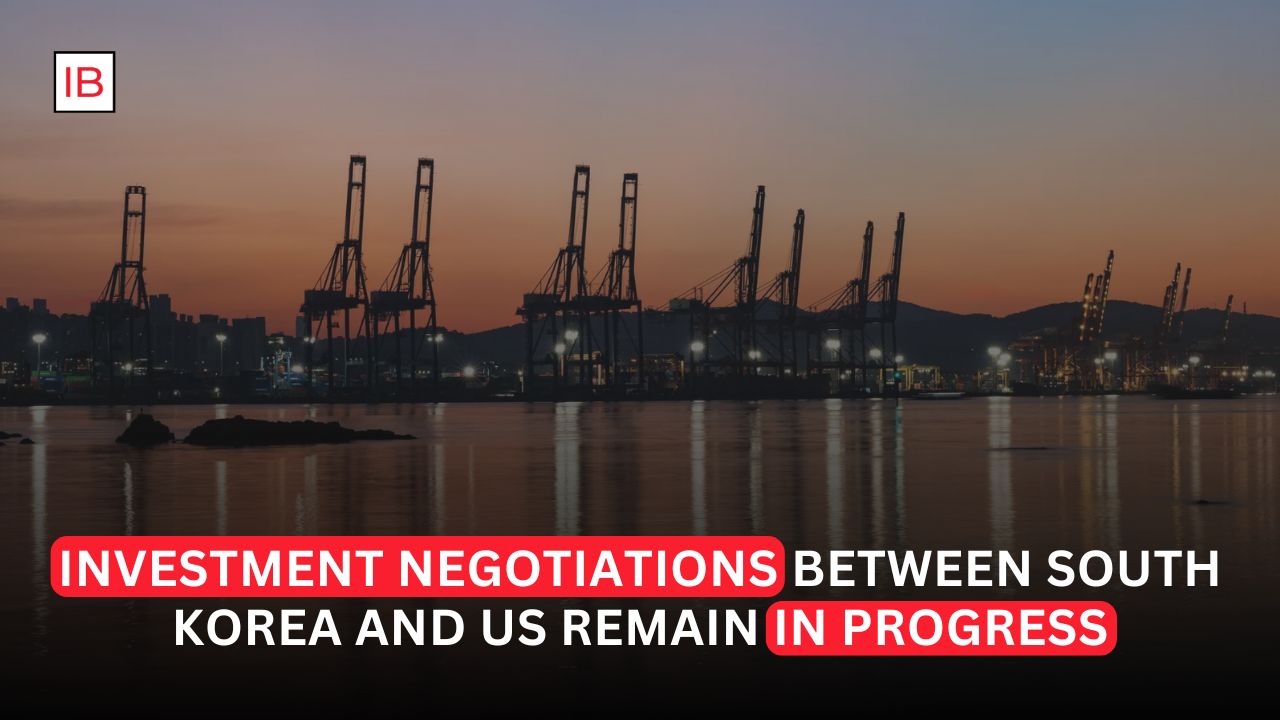
South Korea says negotiations with the United States over the structure and implementation of Korean investments in America are still underway, underscoring continued uncertainty around a major economic commitment that has become an important part of the two countries’ broader trade relationship.
The talks center on South Korea’s $350 billion investment commitment in the United States, agreed as part of a broader trade arrangement. The package includes funding for shipbuilding and investments in sectors such as semiconductors, energy, batteries and other strategically important industries.
The latest comments indicate that Seoul and Washington have yet to resolve important questions about how the money should be deployed, how projects should be selected and how the financial risks should be managed.
Investment Talks Remain Unfinished
South Korean officials have emphasized that discussions with Washington are continuing rather than being completed.
The issue has become particularly sensitive because the United States has been pushing Seoul to accelerate implementation of its investment pledge.
US officials have warned that delays could create broader trade tensions, with Washington reportedly threatening higher tariffs if South Korea does not move faster on the promised investments.
That puts Seoul in a difficult negotiating position.
South Korea wants to maintain favorable access to the US market while avoiding an investment structure that could place excessive pressure on its foreign-exchange reserves, companies or financial markets.
The $350 Billion Commitment
The investment package is one of the largest commitments ever made by South Korea to the US economy.
Under the agreement, $150 billion is earmarked for shipbuilding, while another $200 billion is intended for semiconductors, biotechnology, critical minerals and other industries linked to economic security.
The scale of the commitment is significant relative to South Korea’s previous investment flows into the United States.
That is why Seoul has sought mechanisms that allow the investment to be spread over time rather than requiring a massive immediate transfer of capital.
South Korea’s parliament passed legislation in March 2026 to enable the investment program.
Washington Wants Faster Implementation
The Trump administration has a strong incentive to see the investment commitments translated into actual projects.
The investments are intended to expand US manufacturing capacity, strengthen domestic supply chains and create jobs in strategically important industries.
South Korean companies have already become major investors in the United States.
For example, Hanwha plans to invest $5 billion in a Philadelphia shipyard it acquired, with the project potentially expanding employment from around 2,000 workers to 10,000.
Washington sees such projects as evidence that foreign investment can directly support its industrial policy.
Seoul Is Concerned About Financial Risks
South Korea’s concerns are partly financial.
Deploying hundreds of billions of dollars in the US could put pressure on the Korean won and foreign-exchange markets if the money has to be converted into dollars too quickly.
That is one reason Seoul has pushed for a structure that is commercially rational and avoids excessive upfront capital deployment.
The two sides have previously discussed ways of structuring the investment so that South Korea does not have to transfer the entire amount immediately.
The implementation schedule therefore remains one of the most important issues in the negotiations.
Trade and Investment Are Closely Linked
The investment dispute cannot be separated from the broader US-South Korea trade relationship.
Washington agreed to lower tariffs on South Korean goods as Seoul committed to the large US investment package. The arrangement therefore links market access with investment.
If implementation slows, South Korea risks renewed pressure from Washington.
A research report from the Center for a New American Security said the slow rollout of the investment provisions had already created uncertainty over US tariff policy and warned that Washington could respond with new tariff threats if implementation remained sluggish.
That makes the negotiations particularly important for Korean exporters.
South Korean Companies Face Major Expansion
The investment discussions come as Korean corporations are already expanding their American manufacturing footprints.
South Korean companies have invested heavily in batteries, semiconductors, automobiles and other industries in the United States.
Those investments are helping reshape supply chains.
For Washington, encouraging Korean companies to manufacture more products domestically reduces dependence on overseas production and supports the administration’s broader industrial-policy goals.
For Seoul, however, moving too much production to the US could increase costs for Korean companies and potentially weaken domestic manufacturing.
Shipbuilding Is a Major Priority
Shipbuilding is one of the most politically important components of the investment agreement.
South Korean shipbuilders possess advanced manufacturing capabilities, while the United States is attempting to rebuild its domestic shipbuilding capacity.
The proposed $150 billion shipbuilding component is therefore intended to combine Korean industrial expertise with American manufacturing infrastructure.
The Philadelphia shipyard investment by Hanwha demonstrates how the partnership could work in practice.
The US government wants these projects to produce jobs, strengthen maritime supply chains and expand America’s ability to build commercial and military vessels.
Trade Negotiator’s Dismissal Adds Uncertainty
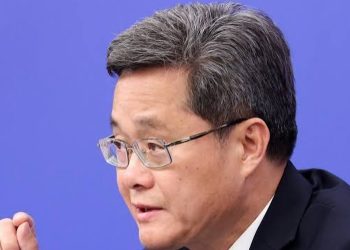
The negotiations have become even more closely watched after South Korea’s top trade negotiator, Yeo Han-koo, was dismissed on August 15 while investment discussions with Washington were still underway.
Yeo had played a central role in Korea-US tariff negotiations and subsequent discussions over trade and investment. His removal has triggered speculation about the direction of the talks and Seoul’s negotiating strategy.
Yeo himself urged against speculation surrounding the decision.
Nevertheless, the timing means the change is likely to attract attention in Washington and among South Korean businesses with major US investment plans.
Businesses Need Greater Clarity
Companies planning major investments generally need predictable rules before committing billions of dollars.
Questions over tariffs, tax incentives, financing structures, immigration rules and supply-chain requirements can all affect whether projects remain commercially viable.
South Korean companies have already faced uncertainty over US policy.
A previous immigration enforcement operation at a Hyundai-LG facility in Georgia, which resulted in hundreds of Korean workers being detained, contributed to concerns among Korean businesses about investing in the United States.
For companies considering additional investment, stability will be an important factor.
The Currency Question
Currency management remains another major issue.
A large-scale investment program could require substantial dollar purchases, potentially creating pressure on the won if transactions were concentrated into a short period.
South Korean officials have therefore sought arrangements that minimize disruption to foreign-exchange markets.
The issue is particularly important because the total commitment is enormous compared with the country’s normal annual investment flows.
A gradual deployment of funds could reduce the potential market impact.
Seoul Wants Commercial Viability
South Korean President Lee Jae Myung’s administration has emphasized that investment decisions should make commercial sense.
That means Korean companies cannot simply be expected to invest enormous amounts of capital regardless of expected returns.
Projects must generate sufficient economic value to justify the investment.
This creates a natural tension with Washington’s desire to use the package as an instrument of industrial policy.
The two governments therefore need to find a balance between political objectives and commercial considerations.
US Supply Chains Are a Key Goal
Washington’s broader foreign-investment strategy is increasingly focused on strengthening domestic supply chains.
US officials have been working to identify weaknesses in domestic manufacturing networks and encourage foreign companies to establish deeper supplier relationships inside the country.
South Korean companies are well positioned to participate because they are already major players in advanced manufacturing.
Their investments could support American production of semiconductors, batteries, ships and other strategic goods.
Looking Ahead
South Korea’s statement that investment talks with the United States remain underway highlights the unresolved nature of one of the most important parts of the countries’ economic relationship.
The $350 billion investment commitment is intended to deepen Korean manufacturing and industrial activity in the United States while supporting Washington’s efforts to rebuild strategic supply chains.
But implementing such a large package is far more complicated than announcing it.
Seoul wants to protect its financial stability and ensure that investments are commercially viable, while Washington wants faster progress and visible commitments that create American jobs and strengthen domestic production.
The disagreement over timing and structure has become particularly important because the investment pledge is linked to the broader US-Korea trade arrangement.
Washington has already signaled that delays could have consequences for tariffs.
That gives the United States considerable negotiating leverage.
For South Korea, however, moving too quickly could create pressure on the won and foreign-exchange reserves while forcing companies to make investments that may not immediately produce attractive returns.
The scale of the commitment explains why Seoul is seeking a carefully managed implementation process.
The investment package includes $150 billion for shipbuilding and $200 billion for other strategic sectors, making it potentially transformative for both countries’ industrial economies.
The shipbuilding component could be particularly significant.
Korean companies have expertise that Washington wants to use to rebuild American shipbuilding capacity, while Korean investors gain access to the US market and industrial base.
Existing projects show that cooperation is already moving forward in some areas.
Hanwha’s planned $5 billion investment in a Philadelphia shipyard is one example of how Korean capital could contribute to US manufacturing and employment.
But the broader $350 billion package still requires important decisions about financing, project selection, timing and risk-sharing.
The dismissal of South Korea’s top trade negotiator adds another layer of uncertainty just as the negotiations enter a sensitive phase.
Businesses will be watching closely because the final structure could influence investment decisions across semiconductors, batteries, shipbuilding, energy and other industries.
For President Lee’s government, the challenge is to satisfy Washington without exposing South Korea’s economy to unnecessary financial risks.
For President Donald Trump’s administration, the priority is to ensure that the promised investments actually translate into factories, jobs and stronger American supply chains.
The eventual agreement will therefore be more than a financial package. It will help define the future of US-South Korea economic cooperation and determine how deeply Korean companies become embedded in America’s industrial strategy.