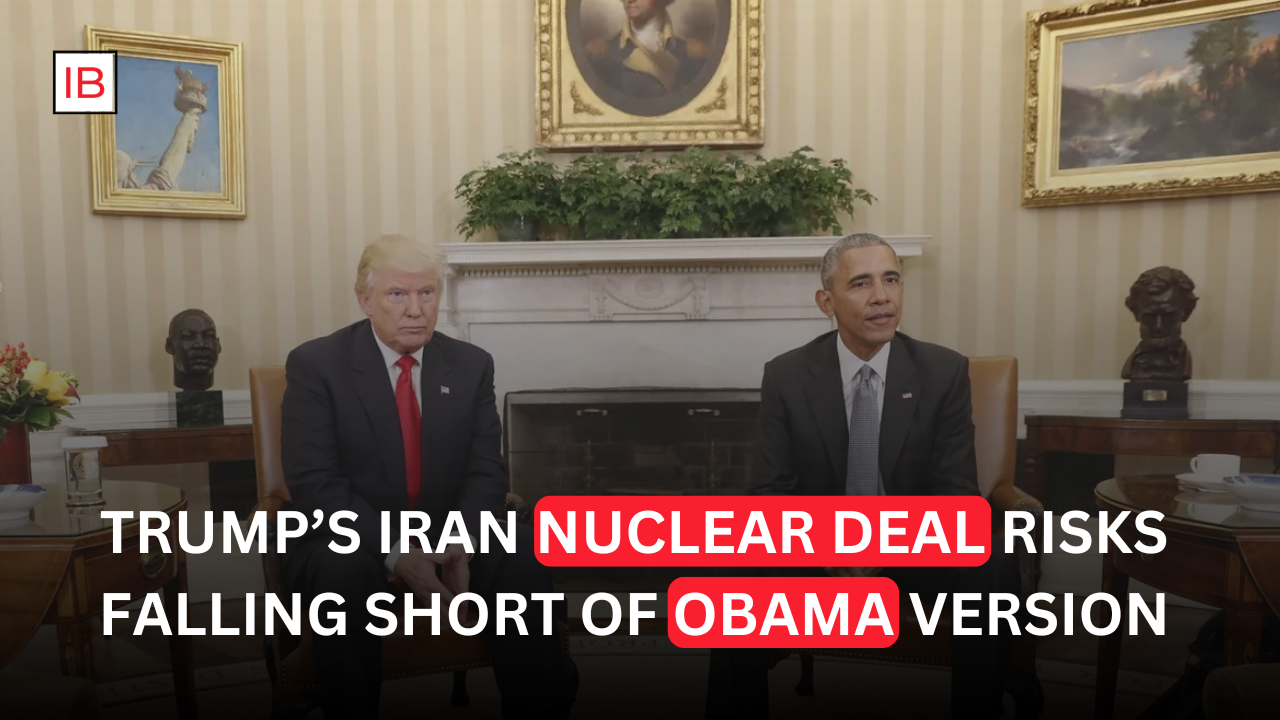
Critics Question Whether New Framework Goes Far Enough. President Donald Trump’s proposed agreement with Iran is facing growing scrutiny as analysts, lawmakers and foreign policy experts debate whether it delivers stronger restrictions on Tehran’s nuclear programme than the 2015 deal negotiated under former President Barack Obama.
The agreement, which is expected to be formally signed in Switzerland, aims to extend the current ceasefire and launch a new phase of negotiations between Washington and Tehran. However, critics argue that several of the key issues that surrounded the Obama-era nuclear agreement remain unresolved.
Nuclear Concerns Remain Unclear
One of the biggest concerns surrounding the proposed deal is the future of Iran’s enriched uranium stockpile. While the framework is designed to prevent Iran from developing a nuclear weapon, details regarding how existing nuclear material will be handled have not been fully disclosed.
Reports suggest the agreement does not immediately require the removal or destruction of Iran’s enriched uranium reserves, a point that has become a major source of criticism among opponents of the deal. Some lawmakers argue that without stricter measures, Iran could retain significant nuclear capabilities despite the agreement.
Comparisons to the Obama-Era Deal
The debate has drawn frequent comparisons to the 2015 Joint Comprehensive Plan of Action (JCPOA), the landmark nuclear agreement that Trump withdrew from during his first term in office.
Critics claim the new framework could end up providing Iran with economic benefits while leaving important nuclear issues unresolved, leading some observers to question whether the agreement offers substantially stronger protections than its predecessor. Former officials and policy experts have suggested that many of the core challenges that existed under the previous deal remain part of the current negotiations.
Supporters of the administration reject those comparisons, arguing that the current agreement comes after a major military conflict and includes additional leverage that was not available during earlier negotiations. They also point to Iran’s weakened military position as an important difference between the two situations.
Economic Incentives Draw Attention
Another controversial aspect of the proposed agreement involves the economic benefits that could be made available to Iran.
The framework is expected to allow Tehran to resume oil exports and gain access to broader economic opportunities if it complies with the agreed conditions. Discussions have also included a large reconstruction and investment initiative intended to support Iran’s economic recovery following the conflict.
Opponents argue that providing financial relief before securing stronger nuclear guarantees could strengthen Iran’s position without fully addressing long-term security concerns. Supporters counter that economic incentives are necessary to encourage continued cooperation and reduce the risk of renewed conflict.
Political Pressure Builds
The agreement is also creating political challenges within the United States. Some Republican lawmakers and conservative commentators have expressed concern that the framework may not achieve the administration’s stated objectives on Iran’s nuclear programme and regional activities.
At the same time, international leaders have largely welcomed the diplomatic progress, viewing the agreement as an opportunity to reduce tensions and stabilize global energy markets following months of conflict.
Final Details Will Be Closely Watched
With the full text of the agreement still unpublished, many questions remain unanswered. The final assessment of the deal will likely depend on the specific commitments Iran accepts and the enforcement mechanisms included in the completed framework.
For now, the proposed agreement represents a significant diplomatic breakthrough, but whether it ultimately proves stronger than the Obama-era nuclear deal remains a matter of intense debate among policymakers and security experts.