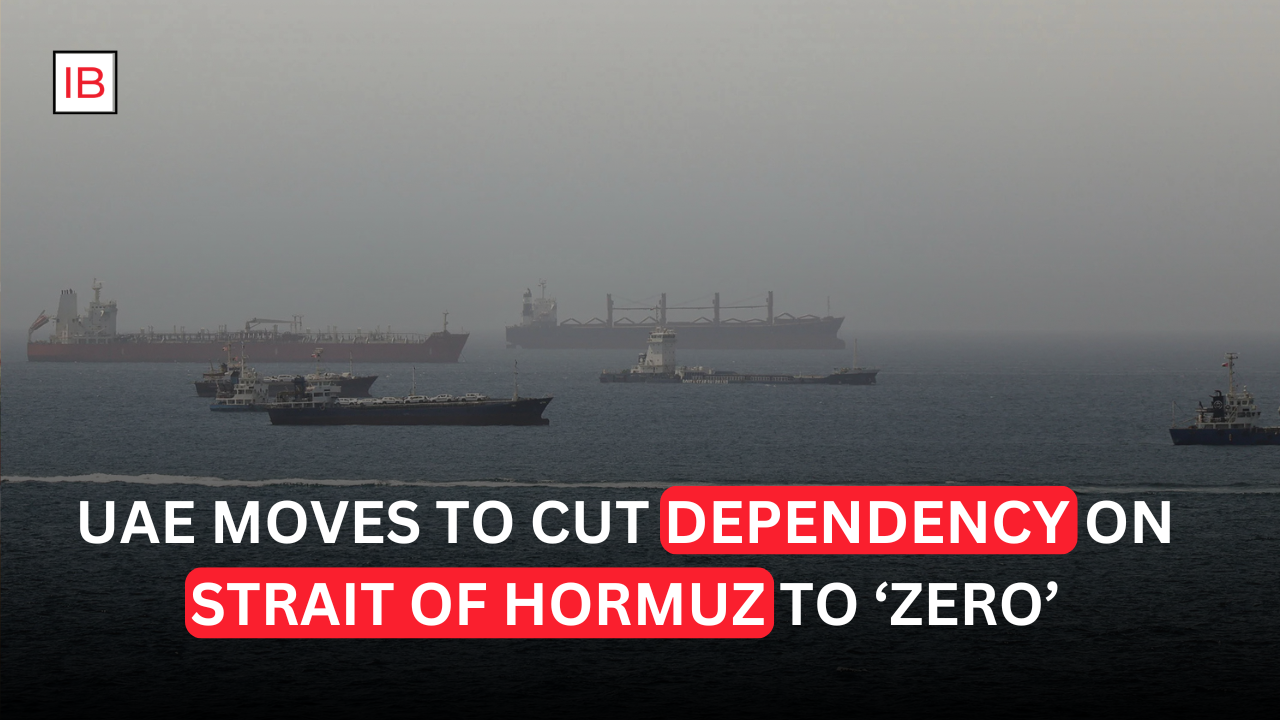
Major Infrastructure Expansion Aims to Secure Energy Exports. The United Arab Emirates is accelerating efforts to reduce its reliance on the Strait of Hormuz, with officials outlining plans to eventually eliminate dependence on the strategic waterway altogether.
The initiative comes after months of disruption to shipping routes caused by regional conflict, highlighting the risks associated with one of the world’s most important energy chokepoints. The UAE is now investing heavily in pipelines, ports and transportation networks designed to ensure exports can continue even if access through Hormuz is restricted.
New Pipelines to Expand Export Capacity
A central part of the strategy involves expanding crude oil export infrastructure connected to the port of Fujairah on the Gulf of Oman, which lies outside the Strait of Hormuz.
The UAE already operates the Habshan–Fujairah pipeline, capable of transporting approximately 1.5 million barrels of crude oil per day directly from Abu Dhabi’s oil fields to the eastern coast. Authorities are fast-tracking construction of a second pipeline that is expected to significantly increase export capacity by 2027.
Officials say the long-term objective is to create enough alternative capacity to protect the country’s economy from future disruptions affecting the strait.
Fujairah Emerging as Strategic Energy Hub
The port of Fujairah has become increasingly important to the UAE’s energy strategy. In addition to serving as a crude export terminal, the area is expanding its storage, logistics and shipping capabilities.
Plans reportedly include new harbor facilities, upgraded transport links and additional infrastructure connecting oil and gas production areas with eastern export terminals. These investments are intended to strengthen Fujairah’s role as a global energy and trade hub.
Lessons From Recent Disruptions
The recent conflict underscored the vulnerability of energy exporters that rely heavily on the Strait of Hormuz. While the UAE was able to continue some exports through existing pipeline infrastructure, officials have indicated that further diversification is necessary to reduce future risks.
Alternative logistics arrangements, including increased use of eastern ports and non-traditional shipping routes, helped maintain some trade flows during the disruption. However, these measures also highlighted the importance of permanent infrastructure solutions.
Global Energy Markets Watching Closely
The UAE’s strategy is being closely monitored by global energy markets because of the country’s role as a major oil producer and exporter.
Analysts believe expanded export capacity outside the Strait of Hormuz could improve supply security, reduce geopolitical risk and strengthen the UAE’s position in international energy markets. The move may also encourage other Gulf producers to invest in similar infrastructure projects aimed at bypassing vulnerable shipping routes.
Long-Term Goal of Energy Security
Despite the ambitious plans, experts note that fully replacing the strategic importance of the Strait of Hormuz will require years of investment and development. The waterway remains one of the world’s busiest energy corridors and continues to handle a significant share of global oil and gas trade.
For now, the UAE’s infrastructure push represents one of the most significant efforts in the region to reduce exposure to geopolitical disruptions. If completed as planned, the projects could reshape how the country exports energy and strengthen its resilience against future crises.