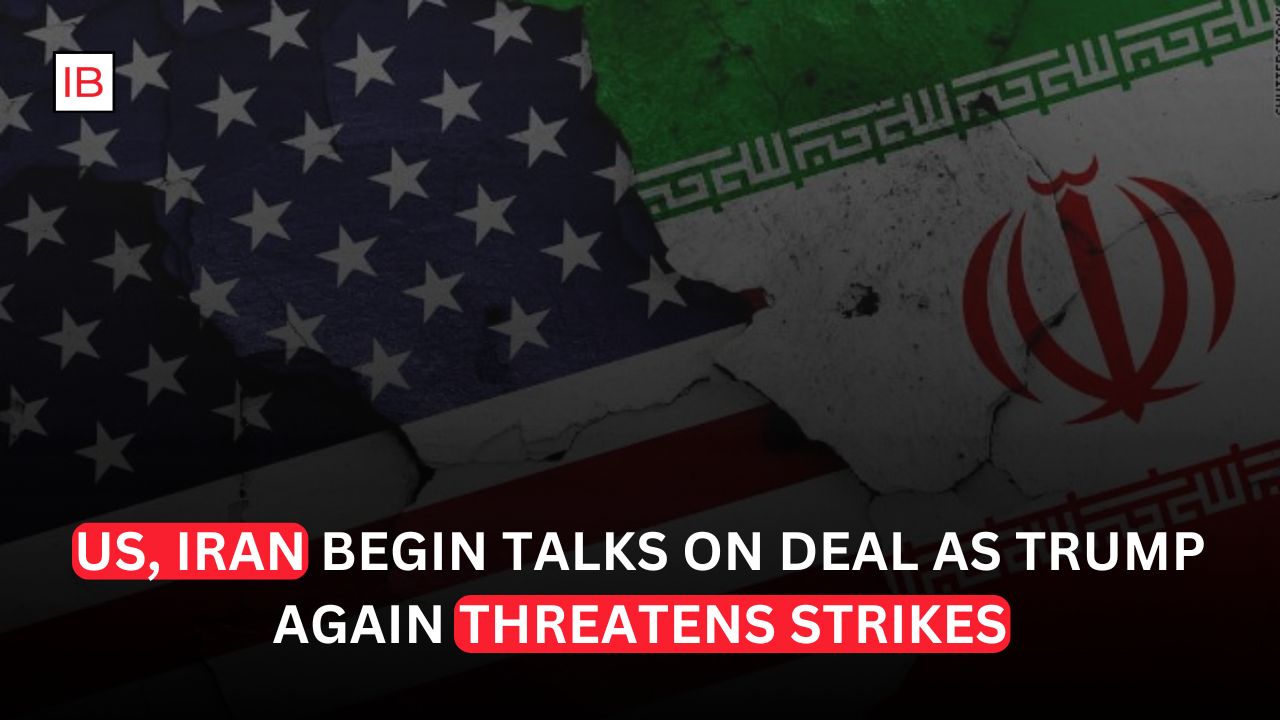
High-Stakes Negotiations Aim to Turn Temporary Truce Into Long-Term Agreement. Senior officials from the United States and Iran have begun direct talks in Switzerland as both sides attempt to transform a fragile ceasefire into a broader and more durable peace agreement.
The negotiations, taking place at the Bürgenstock resort overlooking Lake Lucerne, mark the first major diplomatic meeting since Washington and Tehran signed an interim memorandum that established a 60-day framework for further discussions. The talks are expected to focus on Iran’s nuclear program, sanctions relief, regional security and the future of the Strait of Hormuz.
JD Vance Leads US Delegation
US Vice President JD Vance is leading the American delegation alongside senior administration officials. Before arriving in Switzerland, Vance expressed hope that negotiators could make progress on both the nuclear issue and efforts to stabilize Lebanon.
The Trump administration has indicated that it is willing to pursue a broader transformation of relations with Iran if Tehran agrees to permanently abandon nuclear weapons ambitions and reduce support for armed groups across the region.
Hormuz Dispute Overshadows Talks
A major challenge facing negotiators is the ongoing dispute over the Strait of Hormuz.
Iran recently announced that it had reimposed restrictions on the strategic waterway, accusing the United States and its allies of failing to uphold ceasefire commitments. American officials have disputed claims that the strait is fully closed and insist commercial shipping continues to move through the region.
The waterway remains one of the world’s most important energy routes, carrying a significant share of global oil exports. Any prolonged disruption could affect international energy markets and increase shipping costs worldwide.
Lebanon Remains a Key Obstacle
The situation in Lebanon is expected to play a central role during the negotiations.
Iranian officials have repeatedly argued that a lasting agreement cannot be achieved unless fighting between Israel and Hezbollah comes to an end. Tehran has linked progress in broader peace talks to a full ceasefire in Lebanon, where recent military operations have threatened to undermine diplomatic momentum.
President Donald Trump has continued to pressure Iran over Hezbollah’s activities while simultaneously supporting efforts to keep negotiations on track.
Mediators Seek Breakthrough
Representatives from Pakistan and Qatar are participating as mediators in the discussions. Both countries played important roles in helping secure the initial agreement and are now working to bridge remaining differences between Washington and Tehran.
Swiss authorities have provided extensive security for the summit, highlighting the significance of the talks and the international attention surrounding the negotiations.
Nuclear Issues Still Unresolved
While the ceasefire has reduced immediate military tensions, negotiators still face difficult discussions regarding Iran’s nuclear activities.
The United States is expected to push for stronger monitoring measures and greater transparency regarding Iran’s nuclear program. Tehran, meanwhile, is seeking sanctions relief and access to frozen assets as part of any long-term settlement.
Analysts believe these issues will determine whether the current framework can evolve into a permanent agreement or remain a temporary truce.
Critical Moment for Regional Stability
The Switzerland meeting is widely viewed as one of the most important diplomatic efforts in the Middle East this year.
Success could help stabilize energy markets, reduce regional tensions and create a path toward a broader peace agreement. Failure, however, could reignite disputes over Lebanon, the Strait of Hormuz and Iran’s nuclear program.
For now, both sides appear committed to continuing negotiations, but significant differences remain as diplomats work to secure a lasting ceasefire and prevent a return to conflict.