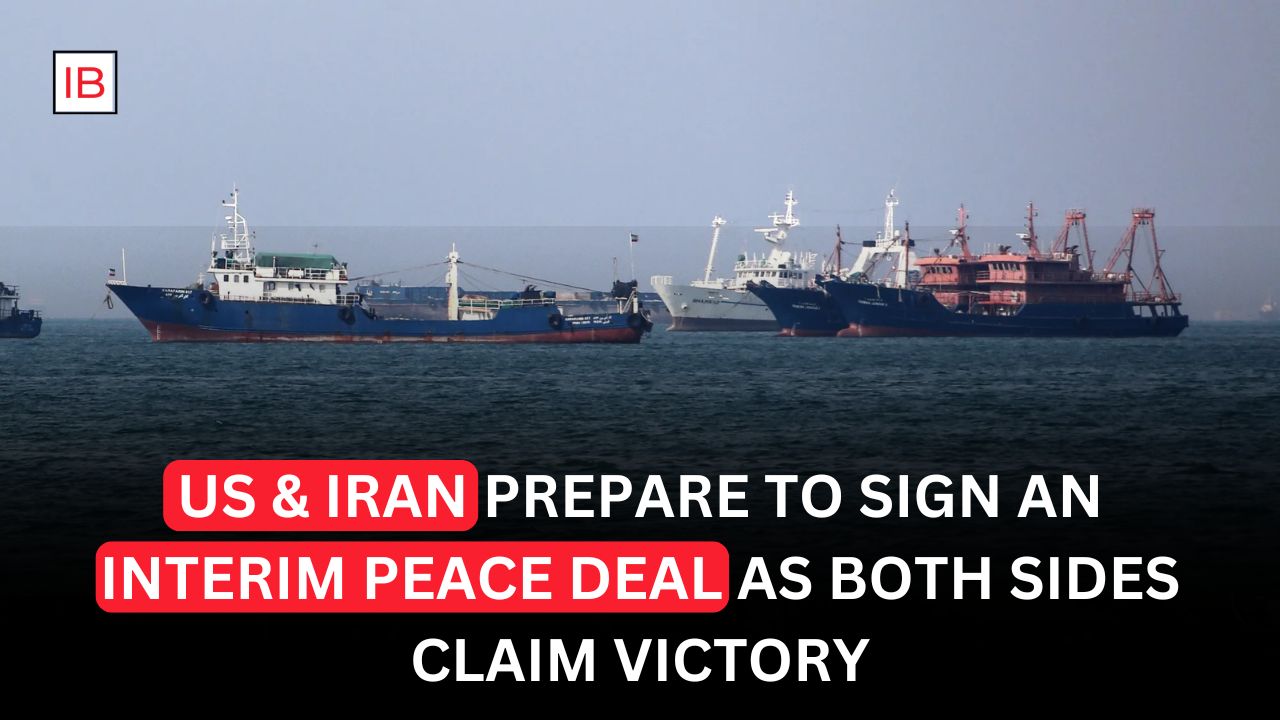
Agreement Expected to Be Signed in Switzerland. The United States and Iran are preparing to formally sign an interim peace agreement in Switzerland on Friday, marking a major diplomatic step after months of conflict and rising pressure on global energy markets.
The agreement, described as a memorandum of understanding, is expected to extend the existing ceasefire by another 60 days while opening the door for fresh negotiations on Iran’s nuclear programme. However, the full text of the deal has not yet been made public, leaving several key details uncertain.
Both Washington and Tehran are presenting the agreement as a win. The US says the deal places clear limits on Iran’s nuclear ambitions, while Iran is expected to benefit from immediate economic relief through renewed access to oil exports.
Iran Could Resume Oil Sales Under Sanctions Waiver
A major part of the proposed agreement is an upfront sanctions waiver that would allow Iran to begin selling oil and fuel once the deal is signed. The waiver is also expected to cover related services such as banking, transport and insurance, making it easier for Iranian oil to return to international markets.
US officials have stressed that the relief will be performance-based. Iran would only continue receiving benefits if it follows the conditions included in the agreement. These are expected to include commitments not to develop a nuclear weapon, to address enriched nuclear material, and to avoid disrupting navigation through the Strait of Hormuz.
Strait of Hormuz Reopening Remains a Key Concern
The Strait of Hormuz remains central to the agreement because of its importance to global energy supplies. Oil traders and shipping companies are watching closely to see how quickly the waterway can return to normal operations.
Although both sides have suggested that the strait could reopen soon, shipping industry officials remain cautious. A full recovery in traffic may take time, especially as companies assess security risks, insurance costs and operational conditions.
The possibility of resumed oil flows has already affected global markets. Oil prices dropped sharply as traders reacted to the prospect of reduced supply pressure and a possible easing of tensions in the region.
Nuclear Talks Still Ahead
Despite the expected signing, the agreement is only an interim framework. More difficult negotiations are still ahead, particularly on Iran’s nuclear programme and the terms of any long-term settlement.
US officials say the deal is designed to prevent Iran from obtaining a nuclear weapon. Iranian officials, meanwhile, have said the agreement is a step toward ending the conflict but not yet a final peace deal.
The next phase of talks is expected to begin after the signing ceremony, with both sides under pressure to turn the temporary arrangement into a lasting agreement.
Diplomatic Pressure Continues
The deal also carries political risks for both governments. In the US, President Donald Trump may face criticism from lawmakers who want stronger guarantees on Iran’s nuclear and regional activities. In Iran, leaders will need to show that the agreement brings economic relief after a costly conflict.
For now, the expected signing represents the clearest sign yet that Washington and Tehran are moving away from direct confrontation. However, with the final text still unpublished and several sensitive issues unresolved, the success of the deal will depend on how both sides act after the ceremony.