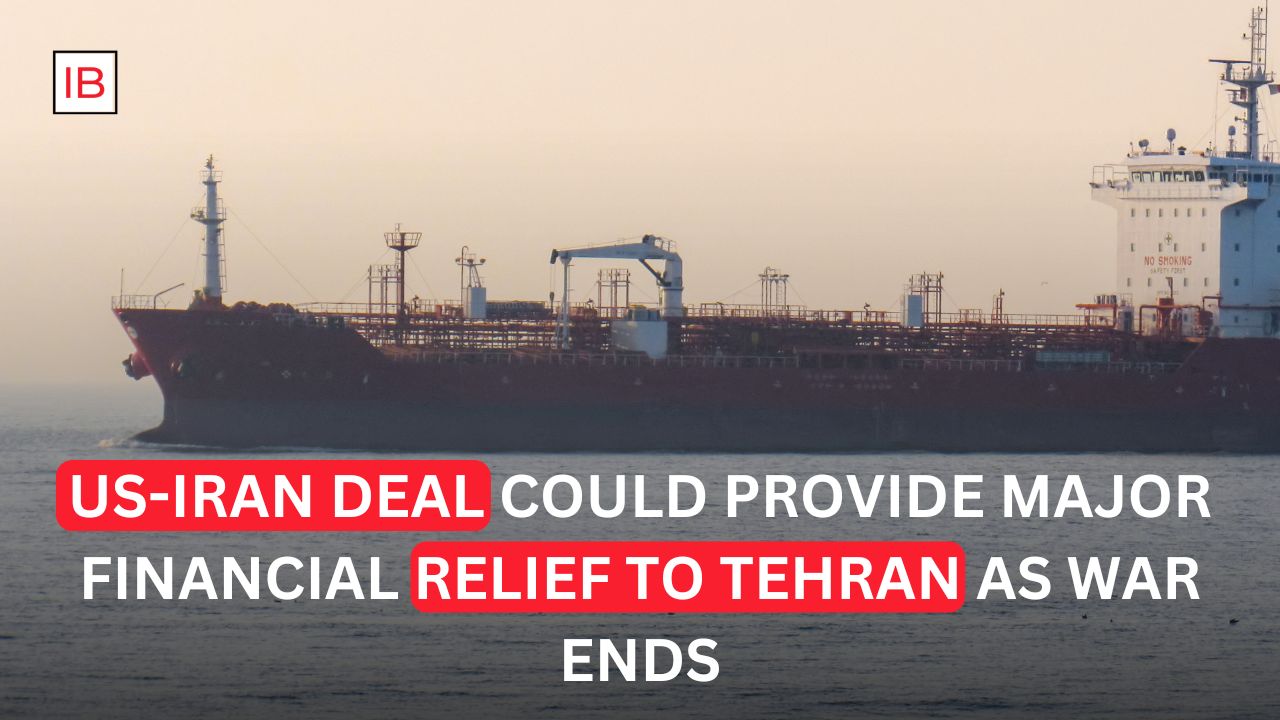
Agreement Expected to Unlock Economic Benefits for Iran. The United States and Iran are preparing to move forward with an interim agreement that could provide Tehran with significant financial advantages in exchange for ending the conflict and maintaining commitments under the proposed framework.
The agreement, expected to be formally signed in Switzerland on Friday, is designed to extend the current ceasefire period while creating a path toward broader negotiations on Iran’s nuclear programme and long-term regional stability. However, the full details of the agreement have not yet been publicly released, leaving several important issues unresolved.
Iran Set to Receive Economic Relief
A key element of the agreement is expected to be the easing of financial restrictions on Iran, allowing the country to regain access to important sources of revenue after years of sanctions pressure.
Under the proposed arrangement, Iran could receive permission to resume oil and fuel exports, with related services including banking, transportation and insurance also becoming available to support international trade. The move would provide a major boost to Iran’s economy by allowing energy revenues to return.
US officials have said the benefits would depend on Iran’s compliance with the terms of the agreement. Any continued economic relief would reportedly be linked to commitments involving nuclear activities, regional security and the reopening of international shipping routes.
Investment Fund Could Support Iran’s Recovery
The agreement also includes plans for a large investment initiative aimed at supporting Iran’s economic recovery. Reports suggest a proposed reconstruction and development fund could attract hundreds of billions of dollars in private investment from international companies and regional partners.
The fund would focus on areas such as energy, transportation, manufacturing and infrastructure, with the goal of rebuilding economic activity after the conflict. Activation of the investment plan would depend on progress toward a wider peace agreement.
Strait of Hormuz Remains a Major Factor
The reopening of the Strait of Hormuz remains one of the most important parts of the agreement because of its impact on global energy markets.
The waterway is a critical route for oil and gas shipments, and any disruption has the potential to increase energy prices worldwide. Traders have reacted positively to signs of de-escalation, with oil prices falling as markets anticipate a return of supply flows.
However, shipping companies remain cautious, as they continue to monitor security conditions, insurance costs and operational challenges before fully restoring normal activity.
Nuclear Negotiations Still Ahead
Although the agreement represents a major diplomatic development, it is not considered a final settlement. Further negotiations are expected to focus on Iran’s nuclear programme and the conditions required for a long-term agreement.
US officials say the framework is intended to prevent Iran from developing nuclear weapons, while Iranian officials view the deal as a step toward ending economic pressure and restoring international trade.
Political Challenges Remain
The agreement carries risks for leaders on both sides. In Washington, critics may argue that Tehran is receiving too many economic concessions without enough guarantees. In Iran, officials will face pressure to prove that the agreement delivers meaningful economic improvements.
For now, the expected signing marks a significant shift in US-Iran relations after months of conflict. The success of the deal will depend on whether both sides can maintain commitments and transform the temporary agreement into a lasting settlement.