Rising Costs, Airspace Disruptions and Weaker Travel Demand Put Pressure on Europe’s Aviation Sector
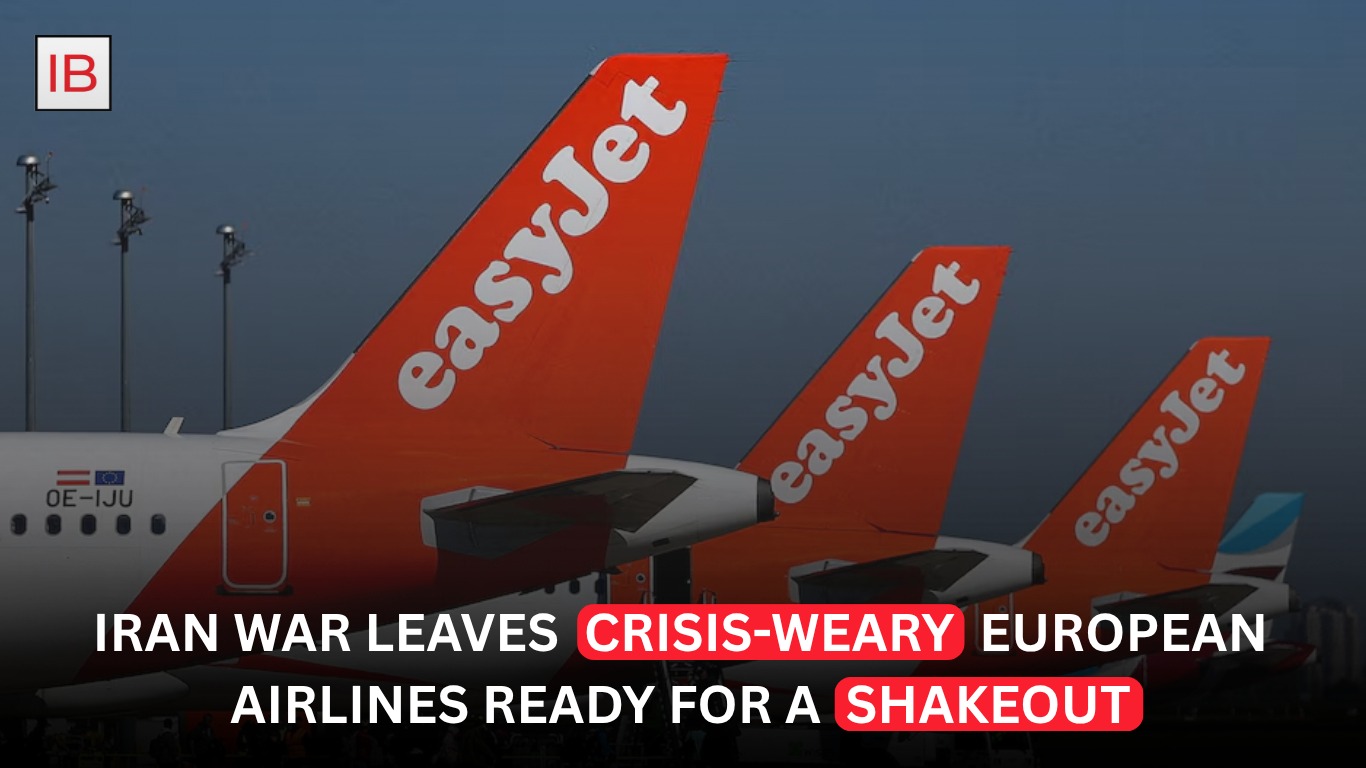
Europe’s airline industry is facing renewed financial pressure as the conflict involving Iran continues to disrupt regional airspace, increase operating costs, and weaken travel demand. After years of navigating the COVID-19 pandemic, supply chain disruptions, inflation, and aircraft delivery delays, airlines are now confronting another major challenge that industry executives warn could accelerate consolidation across the sector.
The conflict has forced many carriers to reroute flights away from parts of the Middle East, increasing fuel consumption, extending flight times, and complicating scheduling. Combined with higher insurance premiums and volatile oil prices, the situation is squeezing profit margins at a time when several European airlines are already operating under financial strain.
Airlines Face Mounting Operational Challenges
European carriers are adapting to a rapidly changing security environment as military tensions affect important international flight corridors.
Key challenges include:
- Airspace closures and restrictions.
- Longer flight routes to avoid conflict zones.
- Increased fuel consumption.
- Higher operating expenses.
- More complex scheduling and crew management.
Long-haul flights connecting Europe with Asia and parts of the Middle East have been particularly affected, with some routes requiring significant detours.
Rising Costs Add Financial Pressure
The latest geopolitical tensions are adding to a long list of financial challenges already confronting the aviation industry.
Airlines continue to face:
- Higher jet fuel prices.
- Rising insurance costs.
- Inflation-driven labor expenses.
- Aircraft delivery delays.
- Increasing maintenance costs.
For smaller carriers with limited financial reserves, these combined pressures could prove especially difficult to manage.
Industry Consolidation May Accelerate
Aviation analysts believe prolonged disruption could trigger another wave of mergers, acquisitions, or restructuring across Europe.
Larger airline groups may benefit from:
- Greater financial flexibility.
- More diversified route networks.
- Stronger cash reserves.
- Better fuel purchasing power.
- Improved operational efficiency.
Meanwhile, smaller and regional airlines could face increasing pressure if elevated costs persist for an extended period.
Passenger Demand Remains Uncertain
While leisure travel has remained relatively resilient, ongoing geopolitical instability may influence traveler behavior.
Potential impacts include:
- Reduced bookings to affected regions.
- Greater demand for alternative routes.
- Increased ticket prices.
- Shifts in business travel patterns.
- More cautious travel planning.
Airlines are closely monitoring customer demand while adjusting schedules to reflect changing market conditions.
Europe Prepares for Another Test
The aviation sector has endured multiple crises over the past several years, including the pandemic, supply chain disruptions, labor shortages, and the closure of Russian airspace following the invasion of Ukraine.
The latest conflict adds another layer of uncertainty as airlines attempt to maintain profitability while ensuring passenger safety and operational reliability.
Industry executives say flexibility and cost management will remain critical as carriers respond to evolving geopolitical developments.
Looking Ahead
The conflict involving Iran has introduced fresh uncertainty for Europe’s aviation industry at a time when many airlines are still recovering from years of disruption. Higher fuel costs, longer flight routes, and continued airspace restrictions are putting additional pressure on profitability and operational planning.
If tensions persist, analysts expect financially stronger airlines to be better positioned to withstand the challenges, while smaller carriers could face increasing pressure to merge, restructure, or seek strategic partnerships. The coming months will be crucial in determining how Europe’s airline industry adapts to another period of geopolitical and economic uncertainty.