Government Defends Central Bank Independence as Bond Markets React to Fiscal Policy Concerns
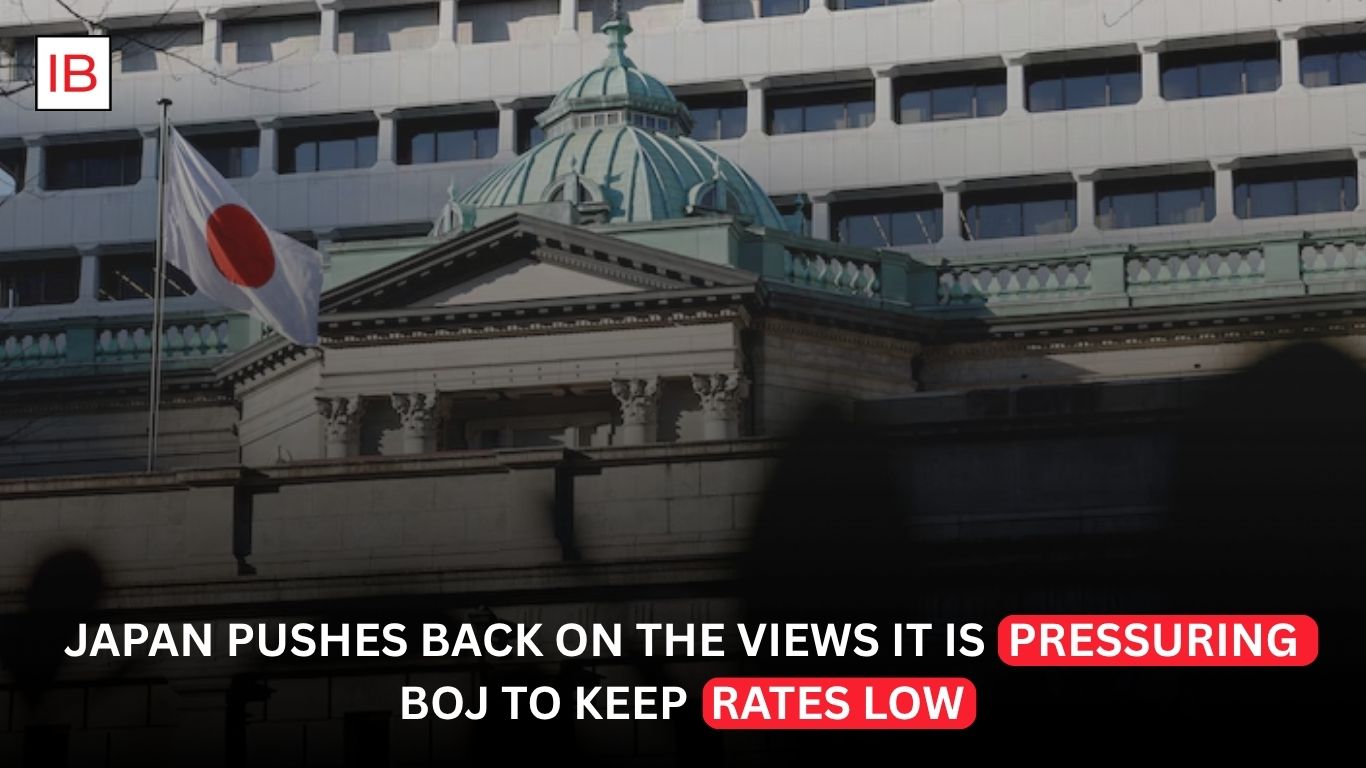
Japan’s government has rejected market speculation that it is attempting to pressure the Bank of Japan (BOJ) into keeping interest rates low, as investors question whether the country’s new economic strategy could weaken fiscal discipline and delay monetary tightening.
The government’s response comes after a draft economic blueprint triggered concerns that Prime Minister Sanae Takaichi’s administration may prioritize growth-focused spending over fiscal restraint and encourage a slower pace of BOJ rate increases.
Markets React to Fiscal Policy Shift
Investor concerns intensified after the government’s draft blueprint:
- Emphasized stronger coordination between monetary and fiscal policy
- Removed previous language pledging improvements in fiscal health
- Shifted focus away from annual primary budget surplus targets
The reaction was visible in Japan’s bond market, where the yield on the 10-year Japanese government bond (JGB) rose to a multi-decade high of 2.83%, reflecting worries over higher borrowing needs and potential delays in rate hikes.
Government Denies Interference With BOJ
Economy Minister Minoru Kiuchi pushed back against the idea that the government wants to influence monetary policy decisions.
Kiuchi said:
- Monetary policy decisions remain the responsibility of the BOJ
- The government is not seeking reckless fiscal expansion
- The blueprint does not represent a retreat from fiscal discipline
He described market interpretations suggesting pressure on the central bank as a misunderstanding of the government’s intentions.
Takaichi Administration Promotes Pro-Growth Fiscal Policy
Since taking office, Prime Minister Sanae Takaichi has promoted a more active fiscal approach aimed at addressing what she describes as years of underinvestment that weakened Japan’s competitiveness.
The administration’s priorities include:
- Increasing investment in economic capacity
- Supporting industrial growth
- Strengthening Japan’s global competitiveness
- Encouraging private-sector expansion
Officials argue that focusing on economic growth can help improve Japan’s debt sustainability over time.
Fiscal Targets Under Review
A major change in the draft blueprint is the government’s approach to fiscal goals.
Instead of maintaining annual targets for achieving a primary budget surplus, Japan plans to focus more heavily on managing its:
- Debt-to-GDP ratio
- Long-term economic growth
- Overall fiscal sustainability
Supporters say this approach provides more flexibility, while critics worry it could reduce pressure for spending restraint.
BOJ Faces Difficult Policy Balance
The BOJ is navigating a complicated economic environment.
Challenges include:
- A weak yen increasing import costs
- Inflation pressures
- Rising government borrowing costs
- The need to support economic growth
The central bank has already moved away from years of ultra-easy monetary policy, raising rates to levels not seen in decades.
Some economists and policymakers have argued that further gradual rate increases may be needed to stabilize the yen and maintain investor confidence.
Yen and Bond Markets Remain Key Focus
Currency markets are closely watching Japan’s policy direction.
A weaker yen has created pressure by:
- Increasing the cost of imported energy and goods
- Raising inflation risks
- Increasing calls for stronger monetary normalization
Japan has also kept the possibility of currency intervention open as it monitors yen volatility.
Investors Await Final Economic Blueprint
The government’s economic blueprint is expected to receive final approval later this month.
Markets will be watching for:
- Clearer fiscal commitments
- Signals on future BOJ policy coordination
- Details on government spending plans
- Measures to support sustainable growth
Looking Ahead
Japan is attempting to balance two competing goals: reviving economic growth while maintaining investor confidence in public finances.
The government insists it respects BOJ independence and remains committed to responsible policy. However, with bond yields rising and markets closely monitoring fiscal decisions, the relationship between Tokyo’s spending plans and monetary policy will remain a central issue for investors.
The coming months will test whether Japan can pursue a more active growth strategy without reigniting concerns about debt sustainability or political influence over the central bank.