Iran Signals Potential Expansion of Maritime Pressure as Middle East Conflict Intensifies
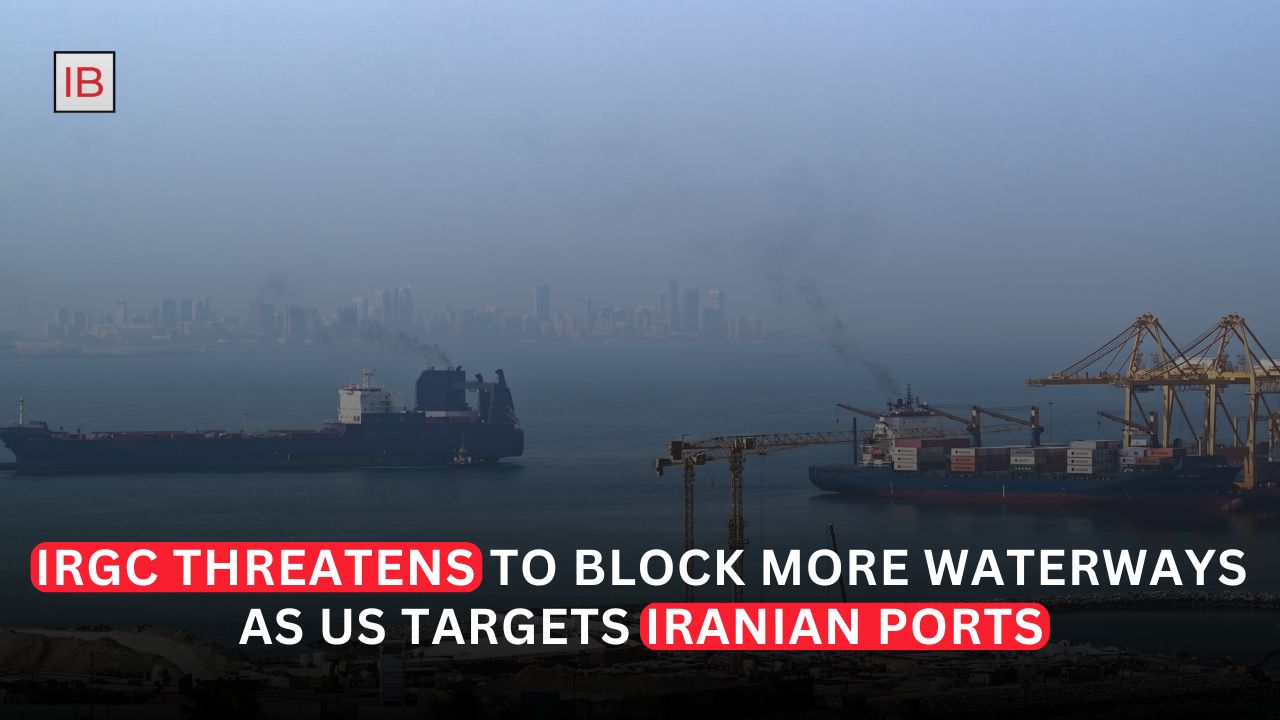
Iran’s Islamic Revolutionary Guard Corps (IRGC) has warned that additional strategic maritime routes serving the United States and its allies could face disruption following the closure of the Strait of Hormuz, as Washington renewed its naval blockade of Iranian ports.
The warning marks another significant escalation in the ongoing US-Iran conflict and has heightened concerns over global shipping, energy supplies, and regional security.
Iran Threatens Broader Maritime Disruptions
According to Iranian officials, the Strait of Hormuz will remain closed while the conflict continues, and other key waterways could also be targeted if military operations against Iran persist.
Iran’s latest warning includes concerns over:
- Additional strategic shipping routes
- Energy export corridors
- Commercial maritime traffic
- Regional naval operations
- Global trade flows
Officials indicated that waterways used by the United States and its allies could become future points of pressure.
US Renews Naval Blockade
The warning follows the United States’ decision to reimpose a naval blockade on Iranian ports as military operations continue.
According to reports, the blockade is intended to:
- Restrict maritime access to Iranian ports
- Increase economic pressure on Iran
- Protect commercial shipping
- Limit Iranian military logistics
- Strengthen naval operations in the region
The move has further intensified tensions between Washington and Tehran.
Shipping and Energy Markets on Alert
The latest developments have renewed concerns over the security of global shipping lanes.
Markets are closely monitoring:
- Oil exports
- LNG shipments
- Commercial vessel movements
- Maritime insurance costs
- Global supply chains
Any disruption beyond the Strait of Hormuz could have significant implications for international trade and energy markets.
Regional Security Risks Increase
Military analysts warn that further escalation could draw additional regional actors into the conflict.
Security concerns include:
- Expanded naval operations
- Missile and drone attacks
- Maritime security threats
- Protection of critical infrastructure
- Increased military deployments
Governments across the region continue to strengthen security measures as the situation evolves.
International Calls for De-escalation
The growing confrontation has prompted renewed calls for restraint from the international community.
Diplomatic priorities include:
- Preventing a wider regional conflict
- Protecting international shipping
- Maintaining freedom of navigation
- Securing global energy supplies
- Encouraging diplomatic dialogue
Officials warn that continued escalation could have serious economic and humanitarian consequences.
Looking Ahead
Iran’s latest warning that additional strategic waterways could be targeted marks a significant escalation in its confrontation with the United States. With Washington renewing its blockade of Iranian ports and Tehran threatening broader maritime disruption, the risk of further instability across the Middle East has increased.
Global markets, shipping companies, and governments are expected to closely monitor developments, as any expansion of the conflict could have major consequences for international trade, energy supplies, and regional security.